In the wake of Halloween, how many pirates, fairies, and popular characters end up in an early grave: the textile dump? Fast fashion brands have become staples in closets around the globe. These companies produce low-quality clothes typically bought for one event, like Halloween, and are discarded afterward. But for such a low price, this one-time wear can be enticing
This is the cycle of fast fashion: clothes that follow current trends are produced quickly and sold at a low price. As a result, the fast fashion industry has boomed and is expected to be valued at 67.77 billion dollars in 2032. Fast fashion is especially popular among college students; increasing social pressures to constantly wear new outfits make rewearing clothes feel like breaking an unwritten social media code. Regular clothes, just like costumes, have become single-use.
The Dangers of Fast Fashion
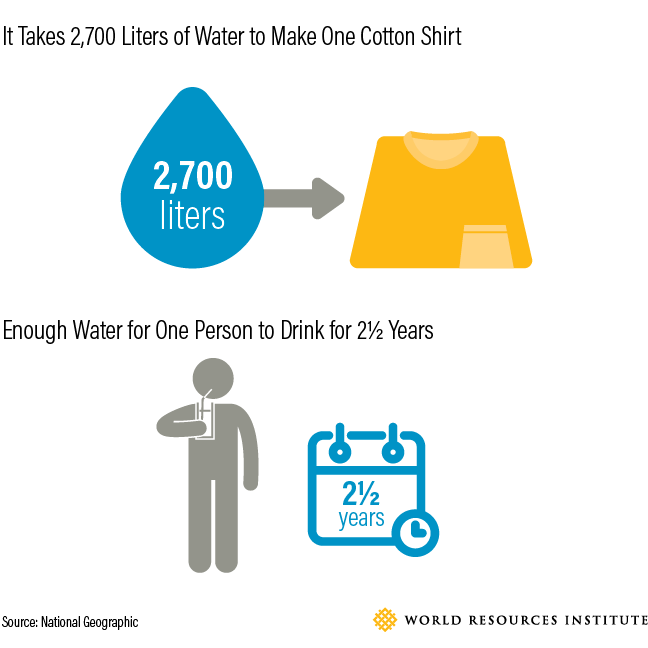
Clothing production is resource-intensive. From transporting items between factories and stores to using polyester and other oil-based textiles, the clothing industry’s reliance on fossil fuels creates significant environmental impacts. In 2023, the United Nations Environment Programme reported that the fast fashion industry is responsible for about 8 to 10 percent of global carbon dioxide emissions, amplifying the greenhouse effect and climate change. Clothing also has a high water footprint; to make a single cotton shirt, about 2,700 liters of water are used for agriculture and textile processing.
In addition to high emissions, the fast fashion industry is also responsible for huge amounts of textile waste. The clothes produced are low-quality and typically do not last more than a few wears. This means that as quickly as clothes are purchased, they are thrown away. This leaves consumers buying and disposing more, generating massive amounts of textile waste. Although some clothes are successfully donated, low-quality items are often too worn or damaged to rewear. Instead, many clothes end up in secondhand markets in Global South countries or simply in a landfill.
Not only does fast fashion present environmental concerns, but it is also a workers’ rights issue. Production occurs in developing countries, such as Bangladesh and Ghana, where workers are paid low wages for their services. Working conditions are extremely poor, and there have been multiple instances where factory buildings have collapsed, killing workers. Ultimately, while people’s wallets may not hurt from fast fashion expenses, developing countries and the environment are disproportionately impacted.
At UMD, there are unique opportunities and organizations that can help students actively shift away from this reliance on the fast fashion industry. Whether focused on education or the fashion industry as a whole, these organizations promote sustainable alternatives and behaviors.
The Terp to Terp ReUse Store
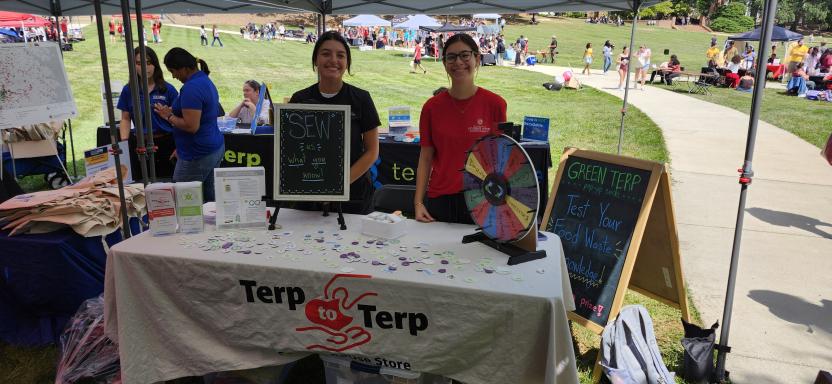
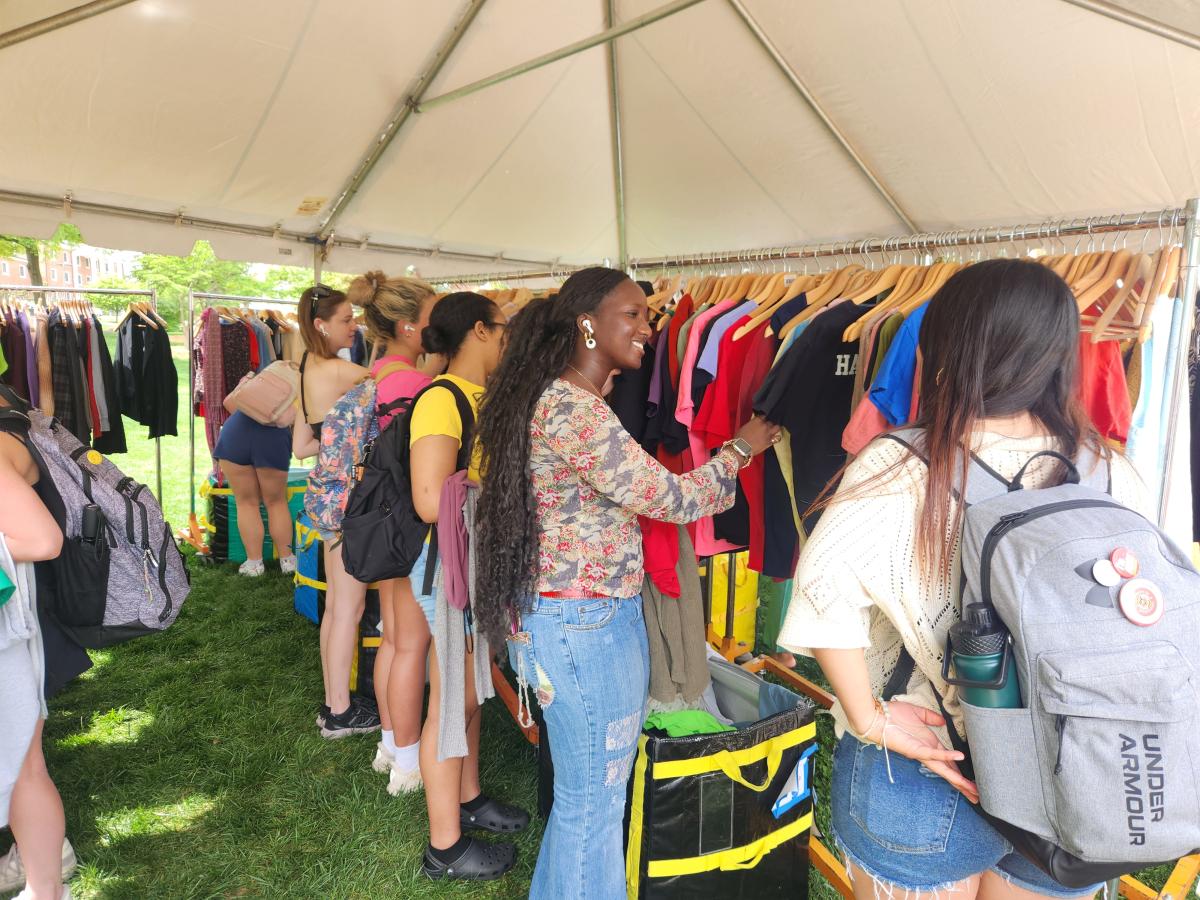
Throughout the academic year, the Terp to Terp Campus ReUse Store collects and distributes materials from UMD community members to students. In each residence hall, donation bins are next to the service desks for clothes, kitchenware, school supplies, room accessories, small appliances, and other miscellaneous items. These donations are featured in the Terp to Terp store in Harford Hall, and students can make appointments to “shop” free of charge.
Terp to Terp officially began in 2021 and has since collected over 77,000 pounds in donations. Since first accepting clothing donations in 2023, over 27% of received donations are clothing, totaling over 21,000 pounds. Instead of unwanted items ending up in a landfill, they are recirculated and given new lives within the UMD community.
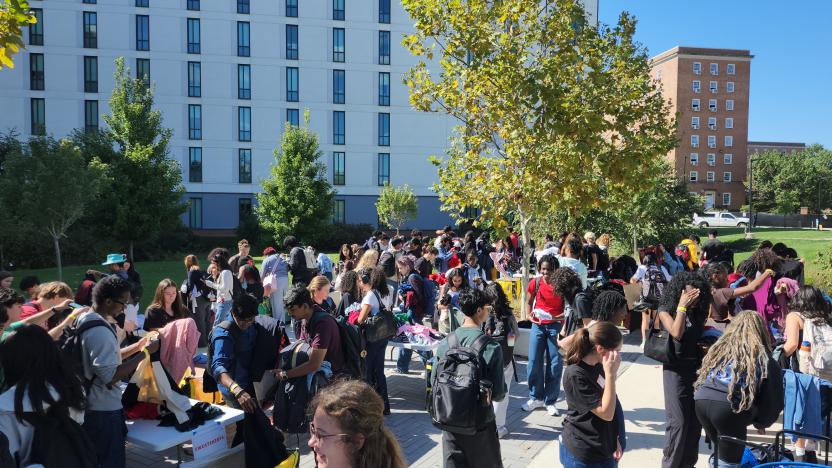
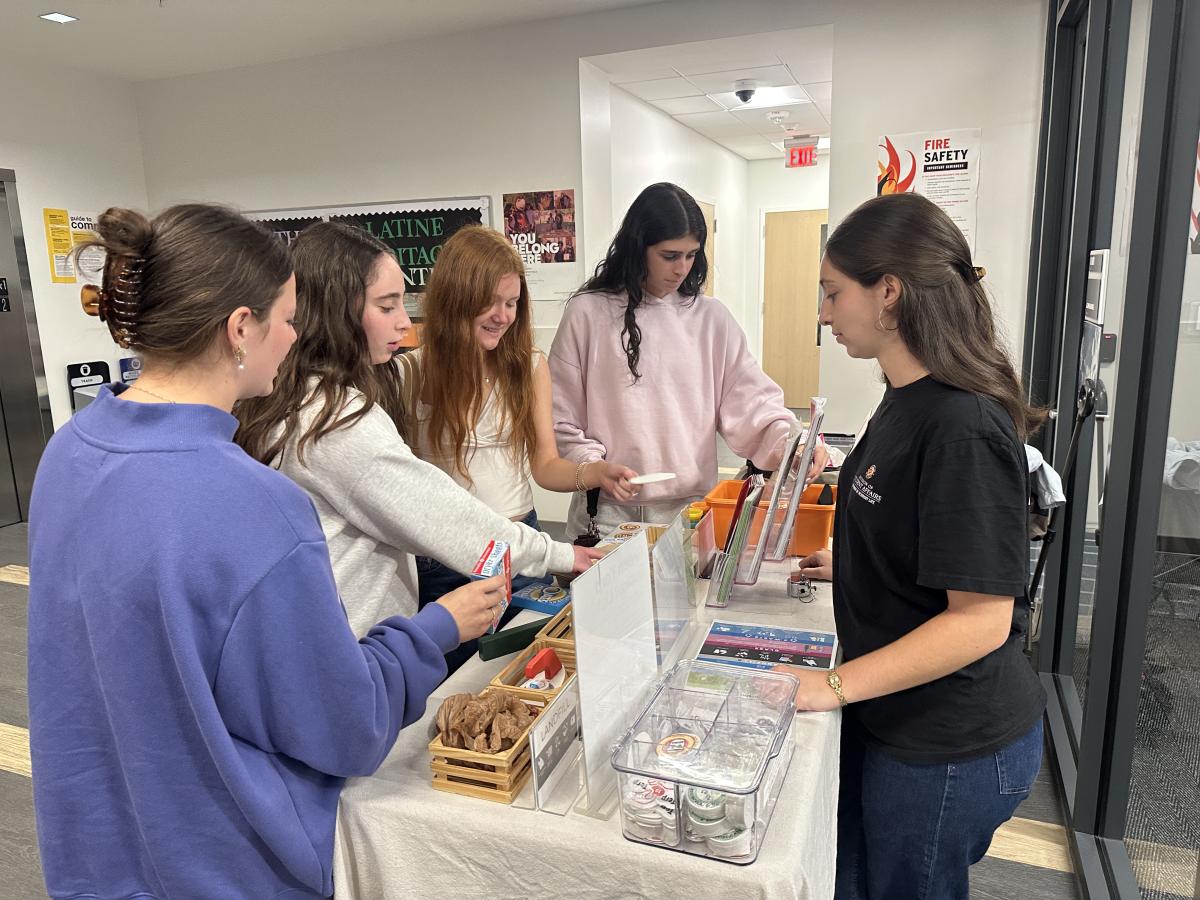
Besides the store, the Terp to Terp team also participates in events across campus, including clothing pop-ups where students can thrift previously donated items. The team also runs interactive games at tabling events, such as fashion trivia, to raise awareness of the dangers of the fast fashion industry.
“It’s so easy to be a consumer,” reflects Alicia Barnett, one of Terp to Terp’s Program Assistants. The Terp to Terp team tries “to reframe [sustainable consumer behaviors and habits] in ways that are obtainable for a student.” Through Terp to Terp, students learn “not only about the university and how they operate in the sustainability lens, but also how they can be better citizens and people in the community,” Barnett explains.
Around campus, the Terp to Terp store partners with multiple organizations, including the Campus Pantry, LGBTQ+ Equity Center clothing closet, Kesem, and Lift Every Step by giving these groups extra food, clothing, bedding, and shoe donations. Store space is limited, especially for clothing donations, so these partnerships are key to maximizing redistribution and minimizing waste.
Besides visiting the Terp to Terp store, students can also join and support clubs and organizations focused on the fashion industry to learn how sustainability and fashion are intertwined. One such organization is MasTERPiece.
MasTERPiece
At McKeldin Mall, you may have noticed students thrifting for clothing at vendors’ tables. Many of these events are courtesy of MasTERPiece, a student-run organization focused on the fashion industry–including global fashion events, tailoring, and modeling–while also supporting sustainable initiatives. Their thrifting and mending events teach students how to extend the lifespan of existing clothing instead of constantly purchasing new goods.
Allyson Escobar, the President of MasTERPiece, explains that fashion is noticeable; if you walk by someone on the way to class, you might notice a fun pattern on their clothes or a distinctive accessory. Fashion allows people to express themselves and impacts first impressions. MasTERPiece creates a community around individuality and creativity, encouraging students to discover who they are through their clothing.
“MasTERPiece is just a great way to find your own circle through fashion,” Allyson Escobar notes.
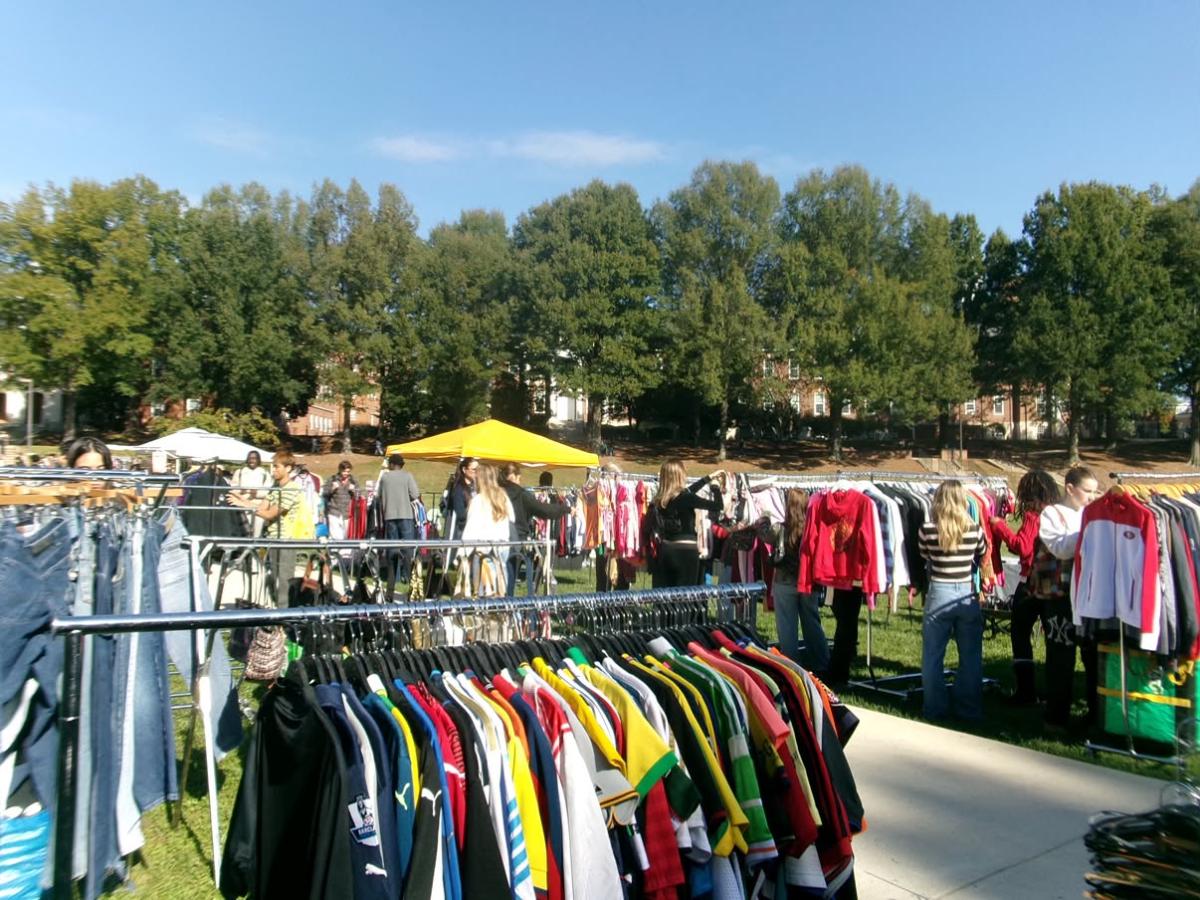
Each month, MasTERPiece hosts a flea market where vendors sell their clothing items and trinkets, bringing thrifting opportunities to the heart of campus. This is not only cheaper than buying name-brand items, but it is also a more sustainable option that limits overconsumption and excess textile waste. This past Halloween, MasTERPiece members participated in a tailoring event for their costumes..
Through educational and sustainability-focused meetings, MasTERPiece also promotes inclusivity and fosters an upbeat atmosphere. Their meetings feature background music, lively conversations, and interactive activities. MasTERPiece emphasizes that sustainable fashion is not about what you cannot or should not do but about the many possibilities that thrifting, mending, and upcycling provide for creating unique styles.
There are numerous ways for UMD students to help combat the fast fashion industry right here on campus. Utilizing Terp to Terp and MasTERPiece is a great start, as well as attending other pop-up thrifting and clothing swap events hosted by organizations like Thrifted UMD, the Closet Project, and the Student Alumni Leadership Council. Rather than buying brand new clothes, you can thrift both casual or professional items from these events. You can also use resources like Vyne, an app originally created by two UMD students, that makes thrifting more accessible on college campuses by allowing students to sell unwanted clothing to others at their school.
Another option is to pursue slow fashion, which is the opposite of fast fashion. Slow fashion emphasizes purchasing higher-quality goods less frequently and thinking twice before buying. Instead of impulsively purchasing an outfit, try waiting 24 hours. After a full day, you may change your mind about whether or not you truly need or want the items. Understanding the dangers of fast fashion and contemplating before clicking “Add to Cart” is crucial. Otherwise, the fast fashion industry and textile waste will continue to rapidly grow.
Now is the time to slow down and rewear an outfit or two, even if it's featured in multiple social media posts. If any clothing is collecting dust in your closet, consider upcycling or donating it to play your part.