Office of Sustainability
Climate Change Resources Measuring Progress (Goals 1.0) Measuring Progress (Goals 2.0) Guiding Commitments Celebrating Stories Our Sustainability Goals
Climate Change Resources
Climate Action Plan Carbon Offset Program Resilience to the Changing Climate Climate Justice Climate Emotions Climate Research
Measuring Progress (Goals 1.0)
How to Use Tableau Carbon Footprint Carbon Offsets Education for Sustainability Local and Global Impact Smart Growth Sustainable Water Use Waste Minimization Progress Summary (Table)
Measuring Progress (Goals 2.0)
Sustainability Research & Scholarship Culture of Sustainability in Research Operations Community Partnership for Impact Food Resiliency, Access, & Education Experiential Learning Sustainable Infrastructure & Campus Growth Ecoregional Wisdom
Guiding Commitments
Sustainability at UMD Climate Action Plan Sustainability Council Goals AASHE STARS Report
Celebrating Stories
SustainableUMD News Maryland Today: Sustainability Other Sustainability Content & Resources
Our Sustainability Goals
University-Level Goals State-Level Goals Global Goals
Climate Action Plan Carbon Offset Program Resilience to the Changing Climate Climate Justice Climate Emotions Climate Research
How to Use Tableau Carbon Footprint Carbon Offsets Education for Sustainability Local and Global Impact Smart Growth Sustainable Water Use Waste Minimization Progress Summary (Table)
Sustainability Research & Scholarship Culture of Sustainability in Research Operations Community Partnership for Impact Food Resiliency, Access, & Education Experiential Learning Sustainable Infrastructure & Campus Growth Ecoregional Wisdom
Sustainability at UMD Climate Action Plan Sustainability Council Goals AASHE STARS Report
SustainableUMD News Maryland Today: Sustainability Other Sustainability Content & Resources
University-Level Goals State-Level Goals Global Goals

Ecoregional Wisdom

Home Ecoregional Wisdom

A person becomes more wise when they integrate knowledge with experience to produce deep understanding. Ecoregional wisdom pairs one’s ecological knowledge with their direct experience of a place. It recognizes that regional ecosystems strongly influence communities by shaping local cultures, economies, and shared identities. By establishing this goal, the University Sustainability Council aims to cultivate opportunities for students, staff, and faculty to relate to, connect with, and care for Maryland’s ecosystems and heritage.


Central to this work is learning from historical environmental stewardship across our region. This includes honoring the history, culture, and legacy of the Piscataway people, on whose ancestral lands our campus rests, while centering the ecological knowledge, foodways, and stories of Native American and African American communities throughout Maryland. Through curated reflection spaces, art, and hands-on learning, Terps are invited to explore these connections and deepen their sense of place.


Measuring our Progress

A new dashboard is being built to track our progress toward this goal and will be available in fall 2027. In the meantime, explore our past metrics below to see how our current work builds on previous progress.


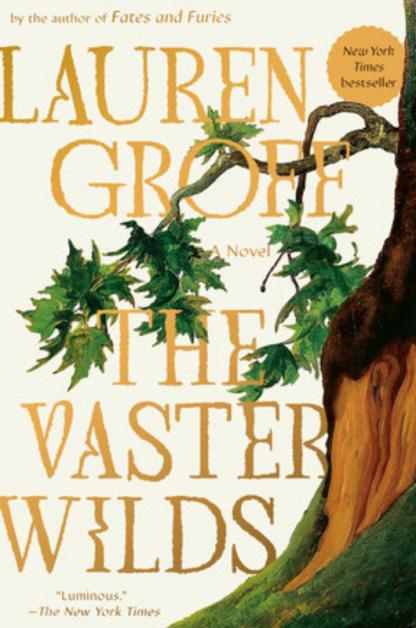
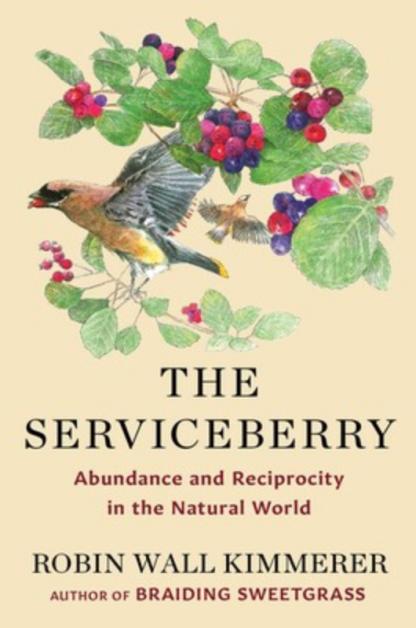
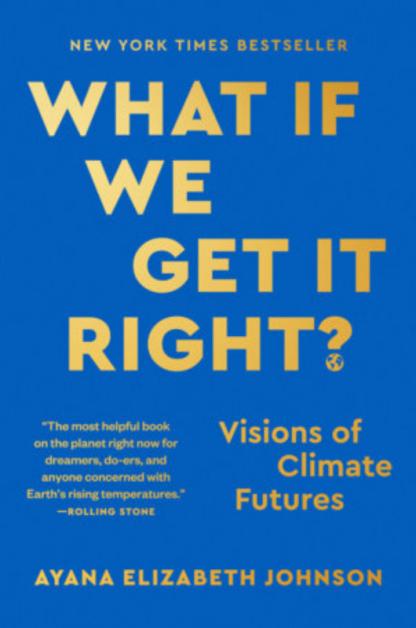
Books for Further Exploring

Not sure where to start? These recommended books aim to supplement on-campus learning by broadening perspectives about this goal area, sparking creative thinking, and inspiring conversations about how we can work together to apply these lessons to our campus.
Office of Sustainability
4716 Seneca Building, Suite 0103 / College Park, MD 20742
sustainability@umd.edu 301.405.3960