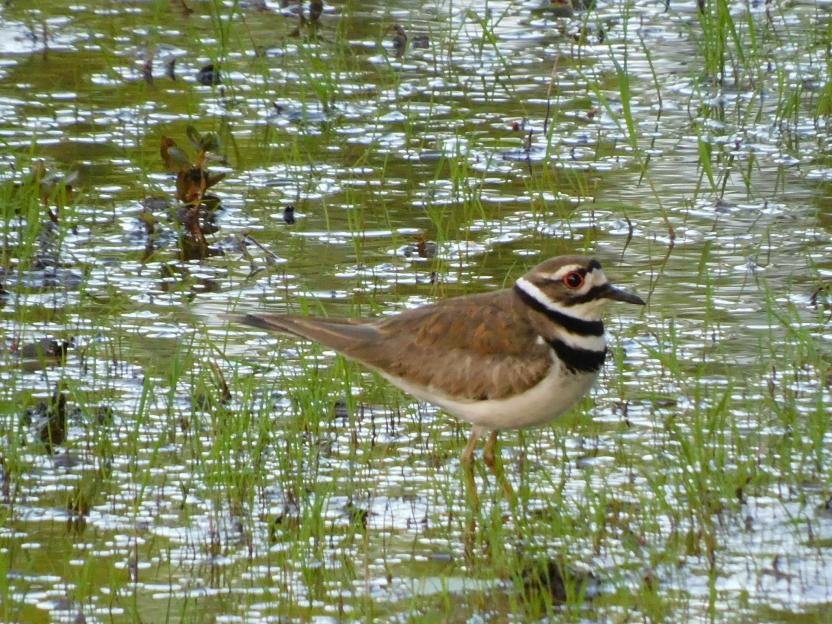
At first glance, golf courses appear to be yards upon yards of open space, covered solely by grass, flags, and golfers. However, hidden between the lines is an entire ecosystem filled with various life forms: plants, animals, and microorganisms.
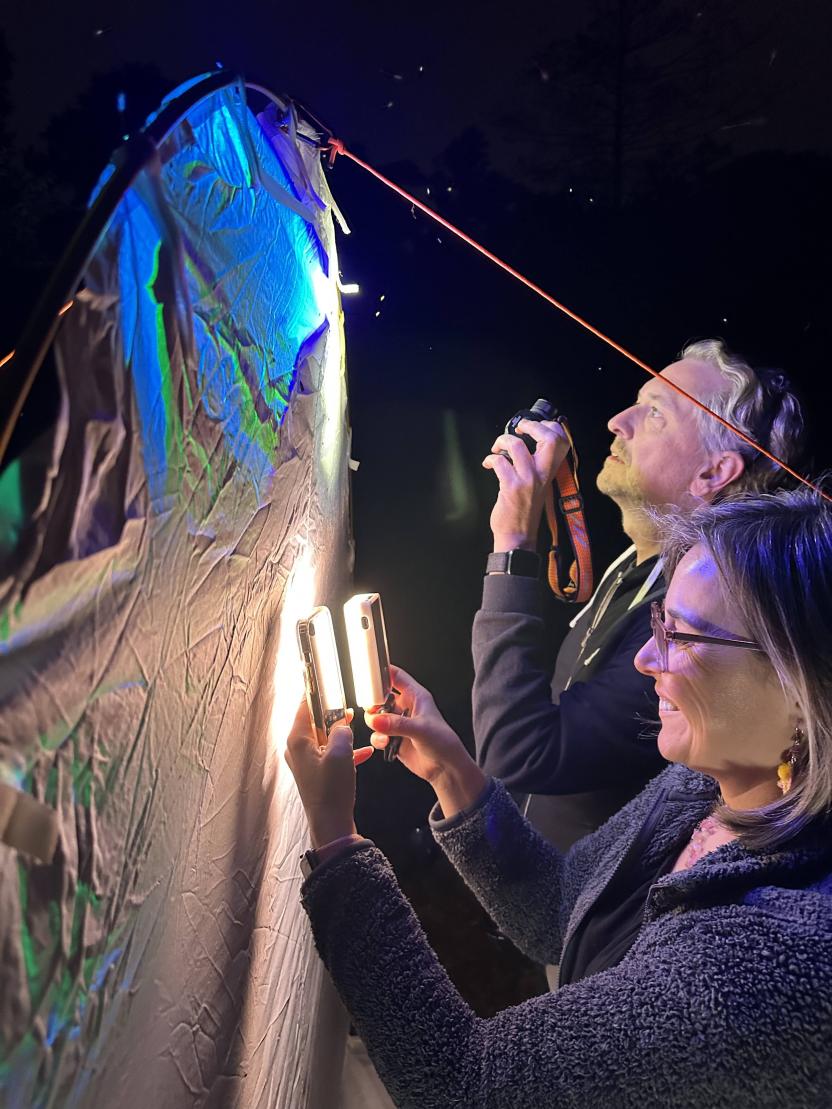
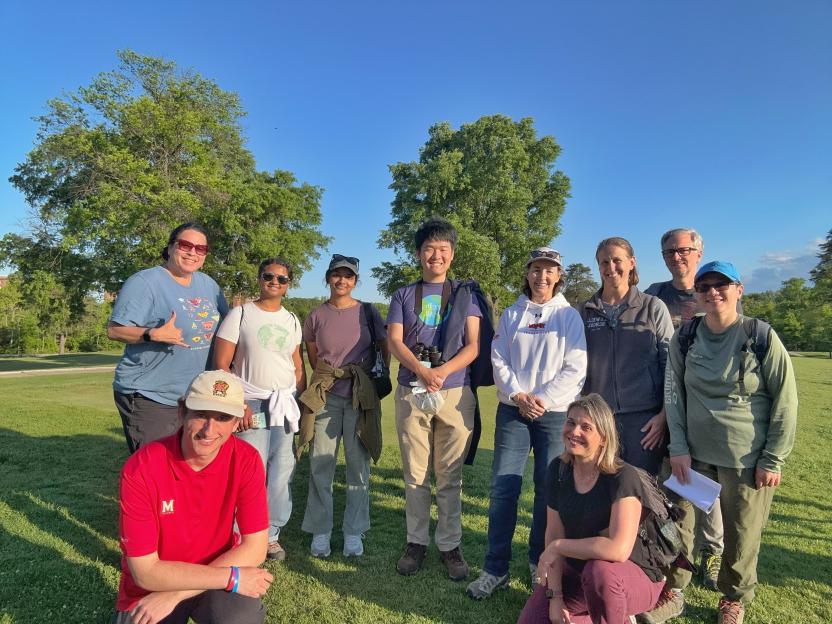
At the 10th annual BioBlitz competition, the University of Maryland (UMD) Golf Course recorded 437 species that call our course home, securing first place for the Biodiversity Award. The BioBlitz Competition, which lasted from June 1st to July 1st, was hosted by Audubon International, with members organizing community events at their individual golf courses. UMD was just one of many international participants, and everyone from golfers to environmental experts was invited to join this species-counting competition.
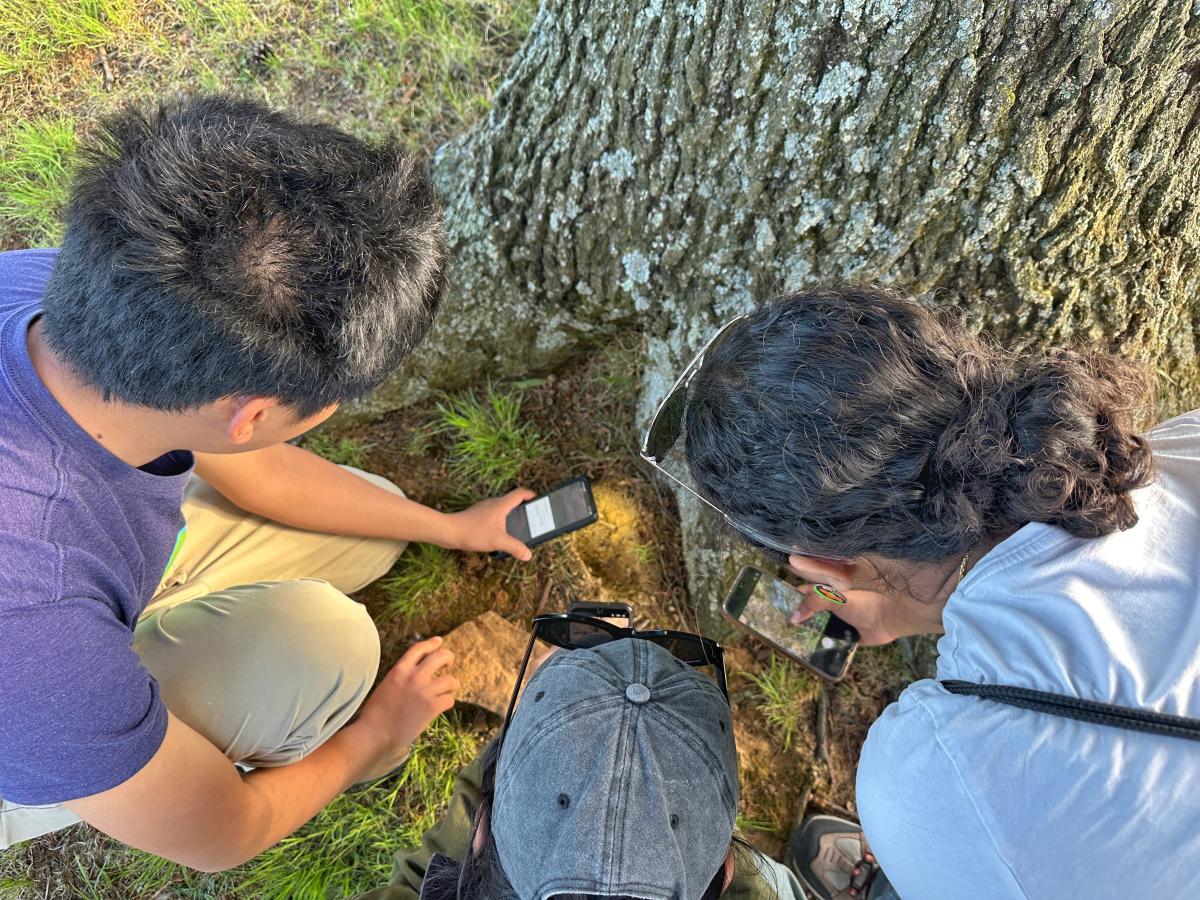
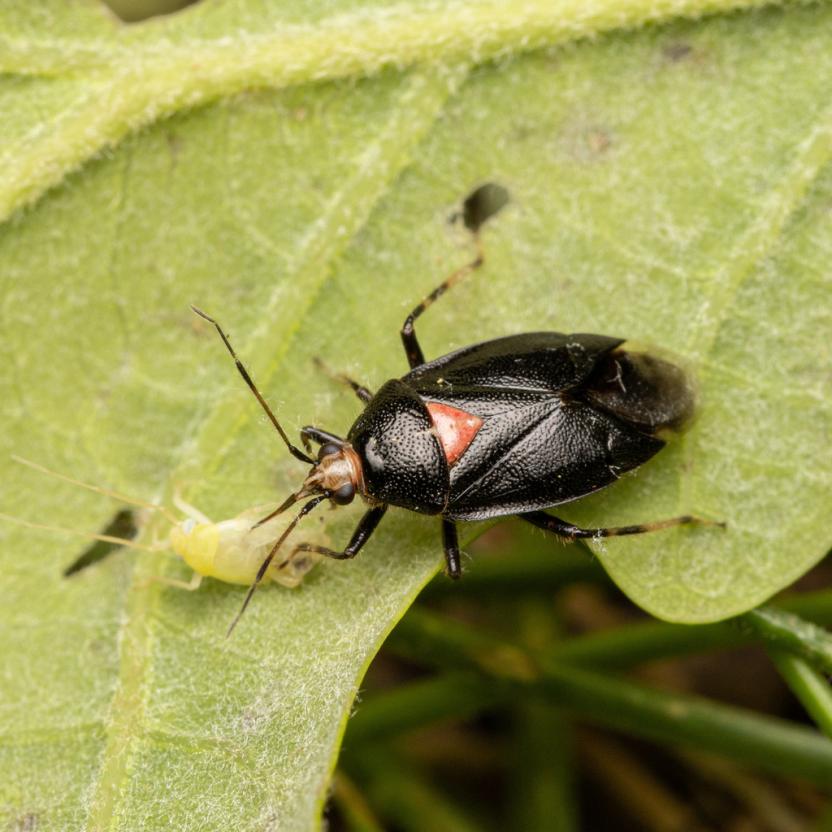
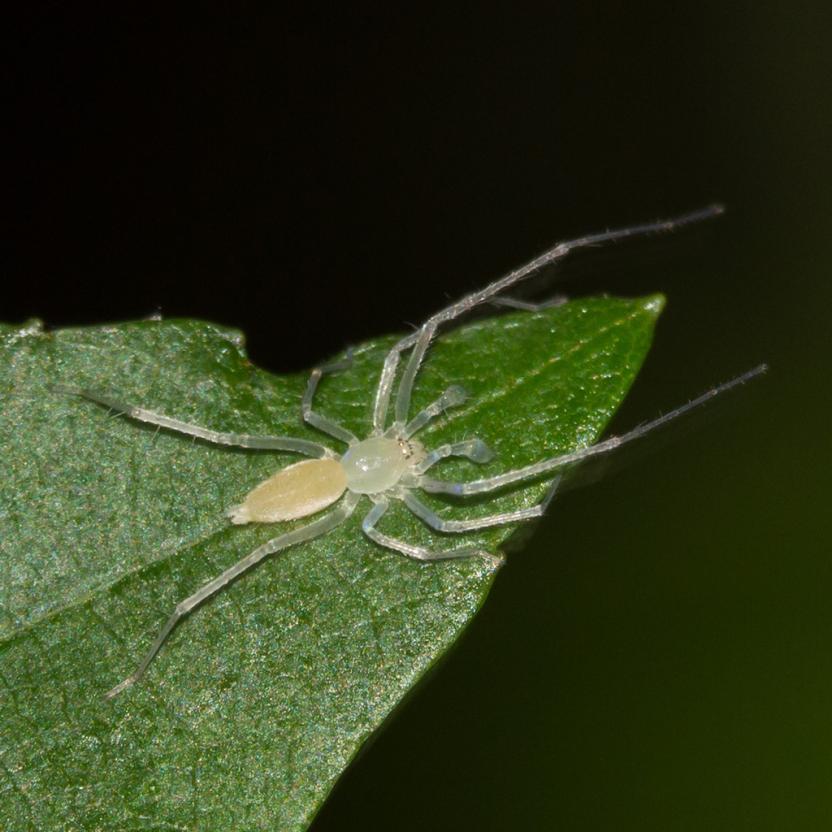
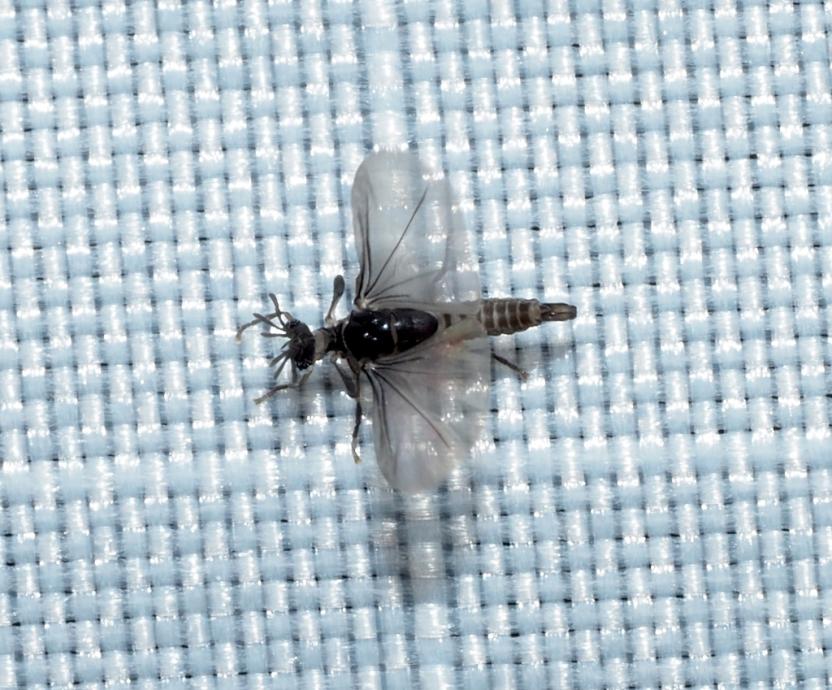
In addition to receiving first place for the number of species onsite, UMD’s BioBlitz uncovered three scientifically significant insects: the Deraeocoris sayi, a male Strepsiptera, and a Wulfila albens. This was the first discovery of Deraeocoris sayi by the Maryland Biodiversity Project, and a new webpage was even created to document it! A Strepsiptera is an endoparasite of bees, also known as a twisted-wing parasite. Once they reach adulthood, males only live for about three to six hours, making them incredibly rare to spot. The Wulfila albens is a member of the Ghost Spiders family, which matches its borderline translucent appearance.
The annual BioBlitz competition is not only a fun community event, but also a reminder of the importance of biodiversity. Local ecosystems—even ones that may appear inconsequential, like a golf course—can hold immense environmental significance when they support an interconnected web of wildlife species. Protecting biodiversity not only keeps ecosystems and habitats stable but also allows humans to benefit from ecosystem services such as cleaner air, purified water, and plant pollination.
It’s all in the competition’s name: “bio” for life and “blitz” for an intense burst of wildlife-loving energy!