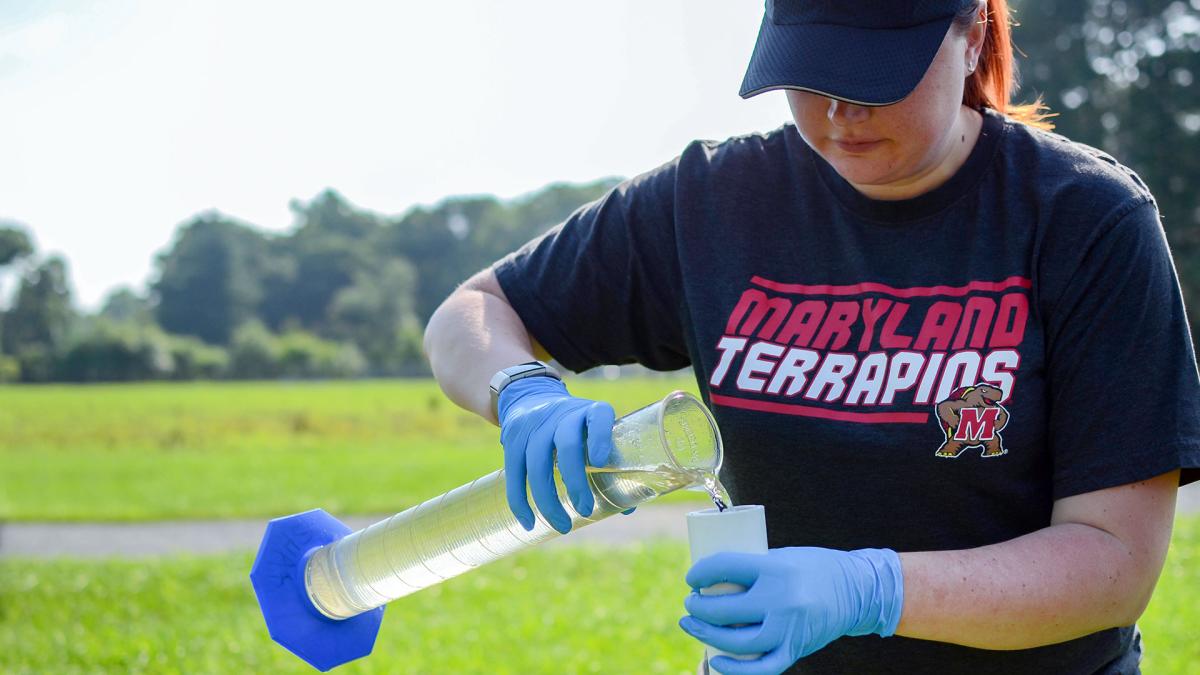
What does it mean to be a part of Sustainable UMD? Is it carrying a reusable water bottle, sorting waste, or taking public transit? While these daily habits matter, being part of Sustainable UMD is also about connecting personal choices to the university’s larger sustainability strategy.
In October, the Sustainability Council reinforced UMD's commitment to sustainability by launching the Sustainability Goals 2.0. These seven goals will be in effect through 2036 and focus on: Sustainability Research & Scholarship, Culture of Sustainability in Research Operations, Community Partnership for Impact, Experiential Learning, Sustainable Infrastructure & Campus Growth, Ecoregional Wisdom, and Food Resiliency, Access, & Education.
Although the Council identified these goals and developed the corresponding framework, it takes the entire campus community to help move them forward. As a Terp, what do these goals mean for you, and what can you do to help UMD reach them?
What is the purpose of adopting these goals?
The Council advises the President, the Office of Sustainability, and the UMD community on integrating sustainability into campus operations. Ultimately, the Council sets the strategies and goals that allow the Office of Sustainability to showcase UMD as a leader in sustainability nationwide. Recently, the Council reviewed the university's six previous sustainability goals, which were adopted in 2014, and identified a need to update them. The seven new revised goals are more attuned with modern climate science, state regulations, and the campus community’s broadened dedication to sustainability. The goals outline a campus strategy for the decade ahead to help streamline cross-campus efforts in key action areas.
Why should the UMD community care? How can you play a role?
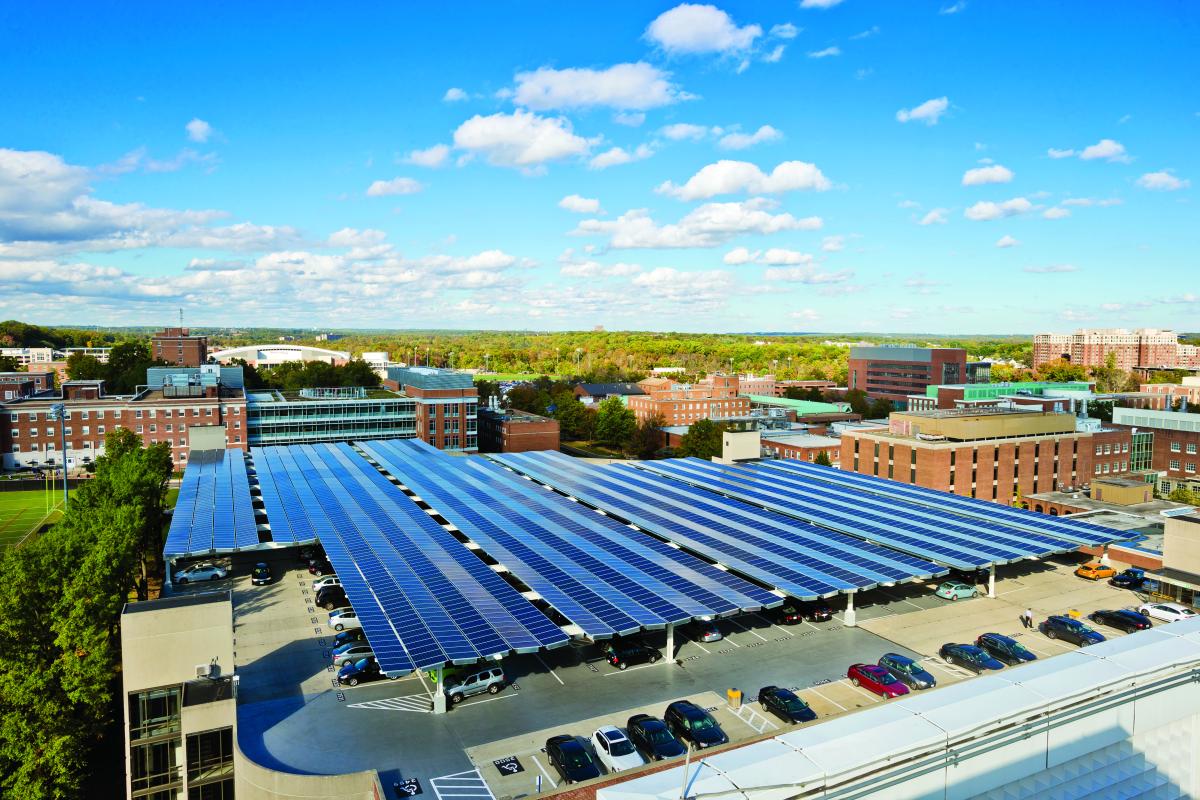
The individual actions of the campus community have broader implications for the university as a whole. For example, commuter emissions can increase UMD’s overall greenhouse gas emissions, and the combined water consumption, waste generation, and energy use of students, staff, and faculty quickly add up. However, all Terps can also positively influence campus’s environmental impact. Carpooling as a commuter student or taking sustainable transportation helps UMD reach the Sustainable Infrastructure & Campus Growth goal. Connecting with faculty conducting research expands UMD’s academic network, allowing for more significant findings that may advance sustainability on campus, a key part of the Sustainability Research & Scholarship goal. Taking smaller amounts of food at a time at the dining hall can help limit excessive food waste, supporting the Food Resiliency, Access, & Education goal. Without individual support, progress will still be made by the institution, but a fuller potential can only be reached if non-operational staff and leadership are equally invested in the goals.
Are there campus clubs or organizations that are connected to the sustainability goals?
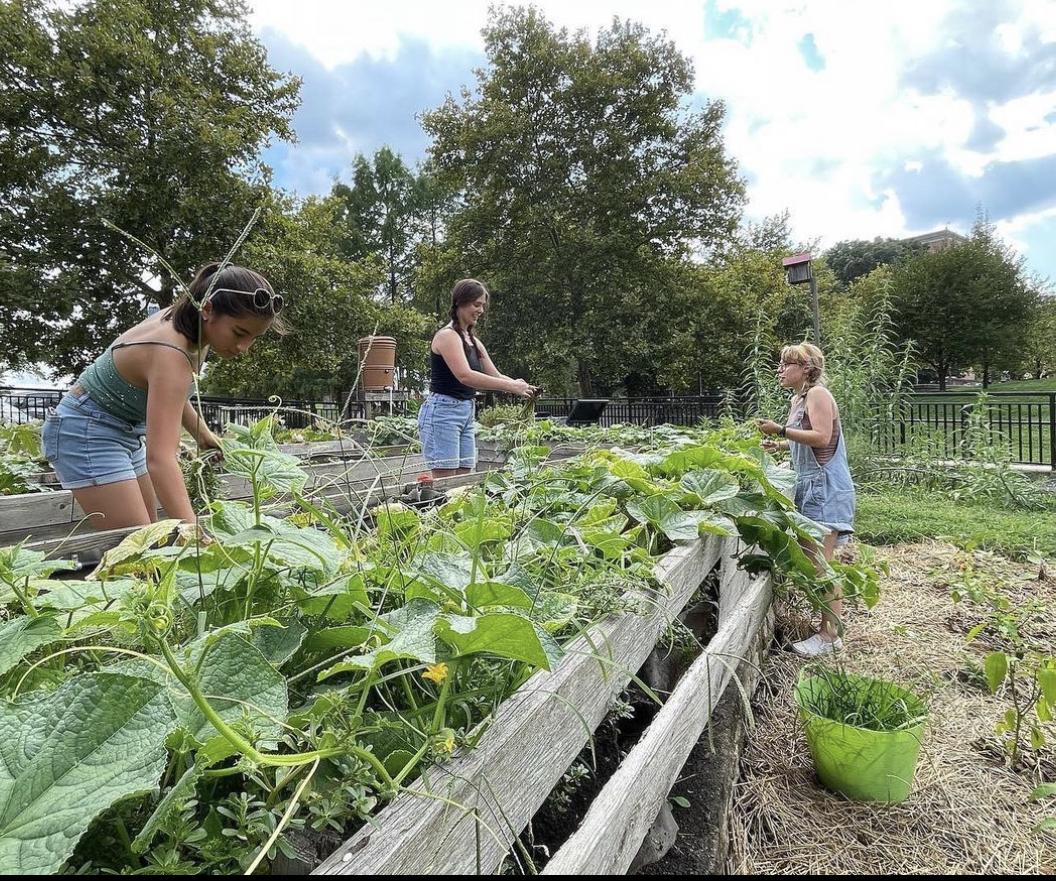
Joining clubs and organizations that promote sustainability are a great way to build community with other students looking to take action. The Community Learning Garden (CLG) is just one club uniquely connected to the new goals, especially Food Resiliency, Access, & Education. The CLG is a student-run organization focusing on sustainable agriculture and nutrition. On Mondays, Thursdays, and Saturdays, they host events open to volunteers. Additionally, all the produce grown in the garden is donated to the UMD Campus Pantry, which works to limit food insecurity on campus. The Campus Pantry provides food to any students, faculty, and staff in need.
Are there academic programs that connect to the goals?
UMD offers numerous majors, minors, and graduate programs that have a unique focus on sustainability, such as the Sustainability Studies minor. Hosted by both the School of Public Policy and College of Agriculture Natural Resources, the Sustainability Studies minor intertwines science and policy, expanding students’ knowledge on how resource use today can impact future generations. Sustainability is rapidly growing on college campuses and is also expanding in the professional world. The Experiential Learning goal addresses this evolution by enhancing development opportunities, sustainability literacy, and faculty mentoring. Understanding key sustainability concepts can not only help students better comprehend the global issues constantly featured in news headlines, but it can also provide a resume boost for students interested in all careers, including business, government, agriculture, and education.
How can you track our progress on these goals?
Through the SustainableUMD Progress Hub, the UMD community can find data on transportation use, net greenhouse gas emissions, or outreach efforts. Additionally, the website allows anyone to see how UMD’s goals and progress on campus are connected to worldwide climate initiatives, such as the United Nations’ 17 Sustainable Development Goals, as well as Maryland state initiatives.
By critically thinking about their actions now, students, staff, and faculty can adopt sustainable habits that stick with them far after their time at UMD ends. The launch of these new goals provides an exciting opportunity for Terps to reflect on their actions and choose a path forward aligning their individual interests with the university's larger vision for a sustainable future.